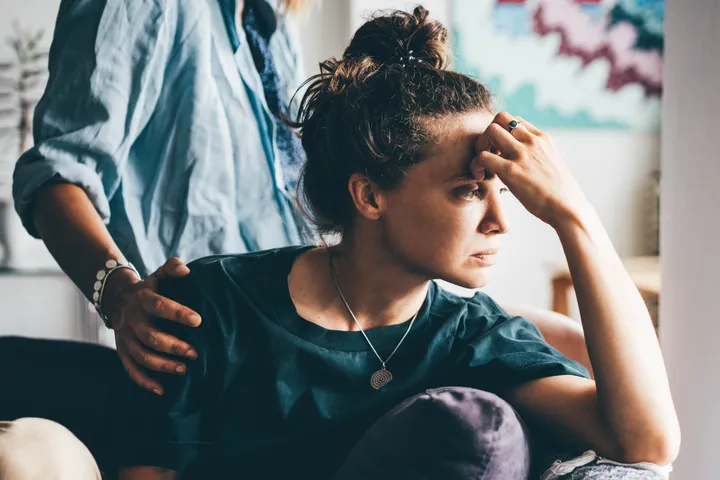


Millions of people struggle with body image.
Some feel pressure to look thinner. Others compare themselves to unrealistic standards on social media. Over time, negative thoughts about appearance can affect confidence, relationships, and overall well-being.
While body dissatisfaction is common, research suggests that healthier habits and perspectives can improve the way people view themselves.
This article explores why body image problems develop and what practical strategies may help.
What Is Body Image?
Body image refers to the thoughts, feelings, and perceptions people have about their physical appearance.
A positive body image does not mean believing every aspect of your appearance is perfect. Instead, it means developing a realistic and respectful relationship with your body.
People with healthier body image tend to:
- Focus less on appearance
- Appreciate what their body can do
- Compare themselves less often
- Experience lower levels of anxiety related to appearance
Why Do So Many People Feel Dissatisfied With Their Bodies?
Social Media Comparison
Social media platforms expose users to carefully selected and edited images.
Research suggests that frequent appearance-based comparison can reduce self-esteem and increase body dissatisfaction.
Unrealistic Beauty Standards
Beauty standards change over time and vary across cultures.
However, many standards promote body types that are difficult or impossible for most people to achieve naturally.
Negative Self-Talk
Many people speak to themselves more harshly than they would speak to a friend.
Over time, this internal criticism can become automatic.
Practical Ways to Build a Healthier Relationship With Your Body
Focus on Function Instead of Appearance
Instead of asking:
“How does my body look?”
Try asking:
“What does my body allow me to do?”
Examples include:
- Walking
- Working
- Exercising
- Spending time with family
- Enjoying hobbies
Research suggests that appreciating body functionality may improve body satisfaction.
Limit Comparison
Comparison is often automatic, but it can be managed.
Strategies include:
- Curating social media feeds
- Unfollowing accounts that trigger negative feelings
- Following diverse and realistic creators
Choose Exercise for Health, Not Punishment
Physical activity can improve both physical and mental well-being.
However, exercise becomes less sustainable when it is used solely to change appearance.
Many people benefit from finding activities they genuinely enjoy, such as:
- Walking
- Swimming
- Cycling
- Dancing
- Strength training
Practice Self-Compassion
Self-compassion means treating yourself with the same kindness you would offer another person.
Instead of:
“I hate how I look.”
Try:
“I’m having a difficult day, but my appearance does not determine my value.”
Body Acceptance Does Not Mean Giving Up
A common misconception is that body acceptance means ignoring health.
In reality, people can:
- Pursue fitness goals
- Improve nutrition
- Lose or gain weight if medically appropriate
while still treating themselves with respect.
Acceptance and self-improvement are not opposites.
Conclusion
Body image challenges affect people of all ages and backgrounds.
Although social pressure and comparison can make self-acceptance difficult, small changes in perspective and daily habits can help build a healthier relationship with the body.
The goal is not to love every aspect of your appearance every day. The goal is to develop respect for the body that carries you through life.
Disclaimer
The information in this article is for educational and informational purposes only and is not a substitute for professional medical or psychological advice. Always consult a qualified healthcare provider or licensed mental health professional for guidance regarding your specific situation.